

Epoxy & Premium Flooring
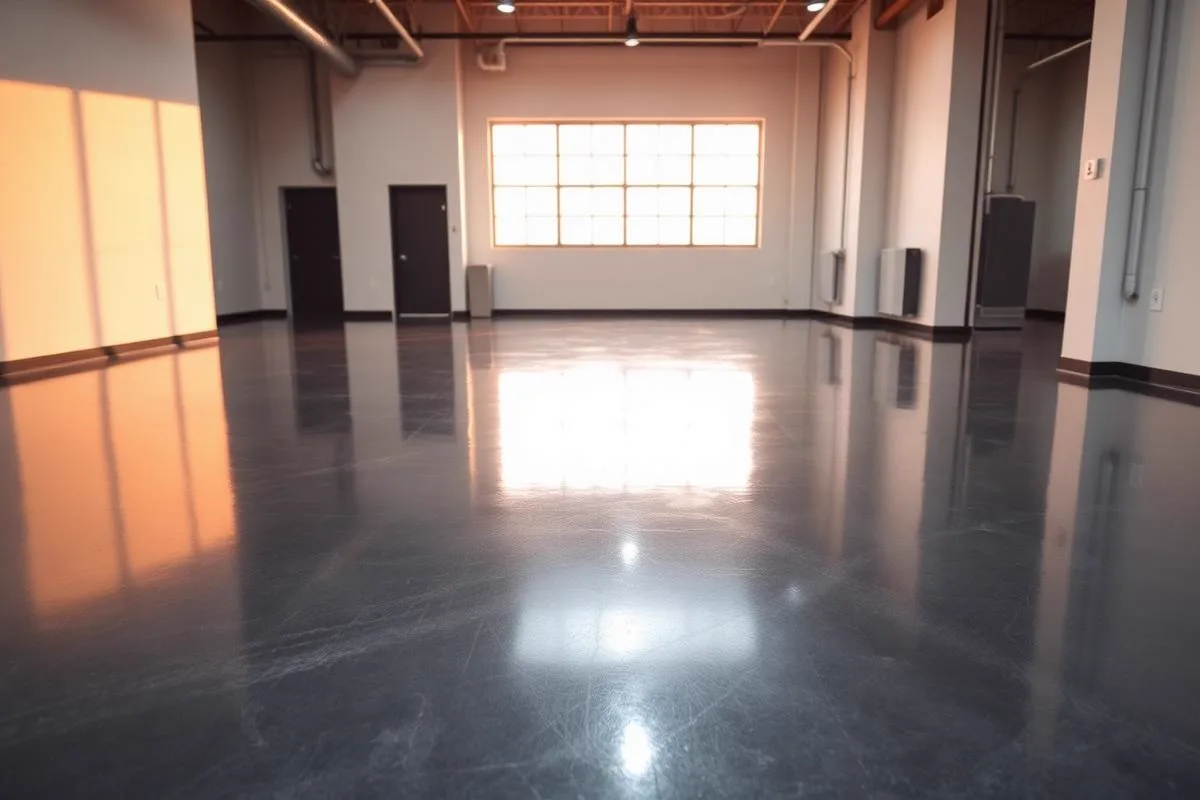
Industrial Epoxy Flooring
Industrial floors are specified around a duty: wheel loads, thermal shock, chemical exposure, hygiene and downtime tolerance. The specification follows the duty, not a price list.
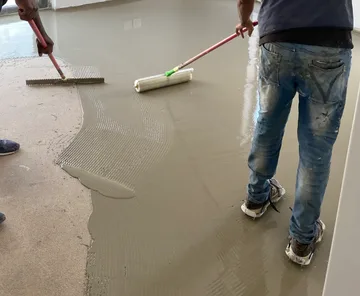
We survey the slab and operating conditions, then specify a build-up — from a mid-build coating to a heavy screed — with joint treatment, coving, falls to drains and anti-slip profile, phased to work around production.
What operating information does an industrial floor need?
Provide vehicle loads, process liquids, cleaning methods and any temperature changes. A chemical-resistant floor must be selected against named exposure conditions; no single resin system resists every substance. Heavy-duty resin floor requirements differ between a dry workshop and an area subject to wet or thermal duty.
How should industrial installation boundaries be agreed?
Identify shutdown windows, segregated work zones, drains, coving and movement joints. Confirm responsibility for moving equipment and isolating operations. Industrial epoxy flooring scope is a floor-system assessment, not a promise of hazardous-material remediation or process certification.
Where it works best
- Manufacturing and production floors
- Food and beverage processing areas
- Chemical handling and plant rooms
- Workshops with forklift and pallet-jack traffic
What we deliver
- Self-levelling and heavy-duty screed systems
- Chemical- and thermal-shock-resistant specifications
- Anti-slip profiles graded to wet or dry duty
- Coving, falls to drains and joint detailing
- Safety demarcation and line marking
Benefits
Why clients choose our industrial epoxy flooring
FAQs
Common questions
Service areas
Industrial Epoxy Flooring near you
Related
Services that pair with this one
Free consultation & site visit
Ready to start your project?
Let’s transform your space.
Send us the property details and we will come out, measure up and put a written specification and line-item quote in your hands.